
The Unraveling Mystery of Weather Predictions: The Urgency of Fire Preparedness
Jon Gustafson
2/8/20261 min read
The Complexity of Weather Predictions
Weather forecasting has evolved significantly over the years, integrating complex models and advanced technology. However, the inconsistencies in weather predictions often lead to confusion. Meteorologists analyze various atmospheric parameters that interact in unpredictable ways, making accurate forecasting a daunting task. The margin of error in predictions raises concerns, particularly as society becomes increasingly dependent on these forecasts for daily activities, agriculture, and disaster preparedness.
The Impact of Inaccurate Predictions on Fire Events
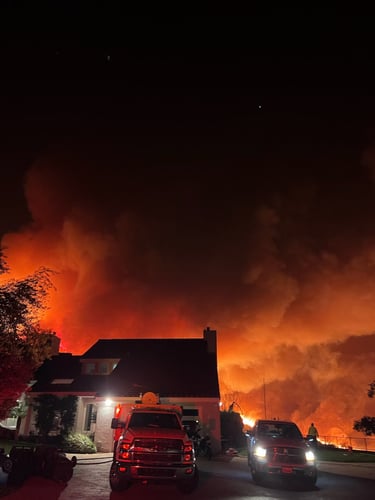
Fire events, especially in drought-prone areas, pose a significant threat to lives and property. Inconsistent weather predictions can exacerbate this risk. When forecasts inaccurately depict humidity levels, wind speeds, or precipitation, emergency response teams may be ill-prepared for potential fire outbreaks. The unpredictability of weather patterns can allow conditions to escalate, leading to devastating fires that could have been mitigated with timely warnings and accurate forecasts.
The Urgency for Adequate Fire Preparedness
Given the reality of inconsistent weather predictions, it is imperative for individuals and communities to adopt a proactive approach to fire preparedness. People should regularly review and update their fire safety protocols, ensuring that they are ready to act when forecasts indicate heightened fire risk. This includes creating firebreaks, establishing emergency evacuation plans, and maintaining awareness of local weather updates that highlight fire hazards.
Moreover, fostering collaboration between meteorologists, fire departments, and local governments is critical. Developing communication strategies that relay accurate information about the risk of fire based on current weather predictions can save lives and property. Engaging in community forums to educate the public on fire preparedness, while simultaneously increasing awareness of the variabilities in weather forecasting, is essential to combat the challenges posed by climate change and erratic weather patterns.
As the science of weather prediction continues to advance, the urgency to adapt our strategies for responding to fire events remains. Understanding the limitations of weather forecasts should not deter efforts to prepare adequately for emergencies. Instead, it should motivate individuals and communities to implement comprehensive fire prevention measures, thus maintaining safety in an unpredictable climate.